


Research · November 2026
What slow replies cost an online store
Shoppers expect an answer in minutes. The typical ecommerce inbox replies in hours, and the question often lands on a Friday night or a phone on the train. We pulled the studies we could verify and built a calculator so you can put your own numbers on it.
Free plan, no card. Try it in your dashboard before it goes live.
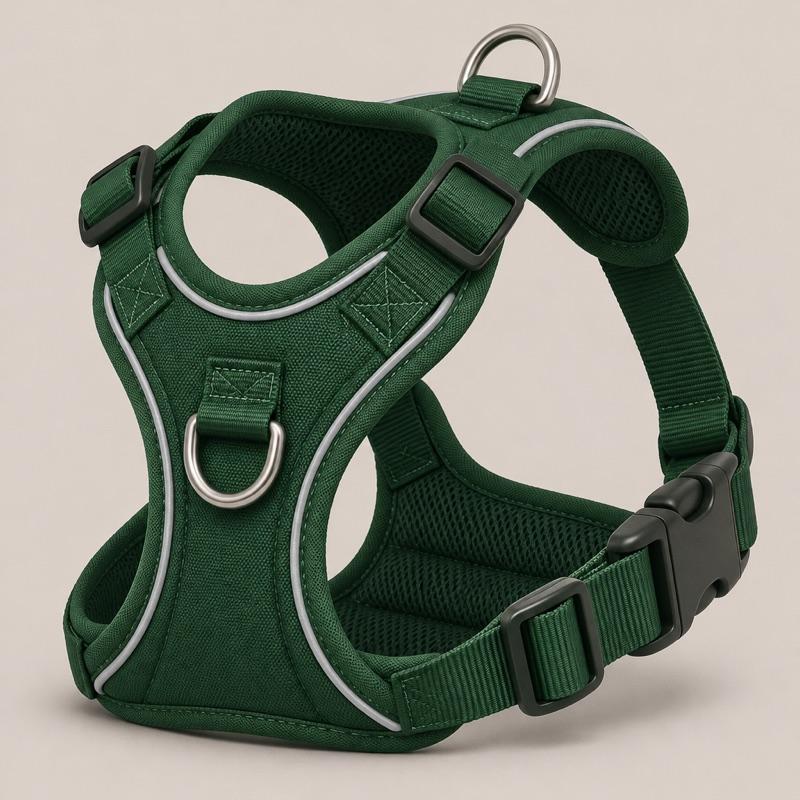
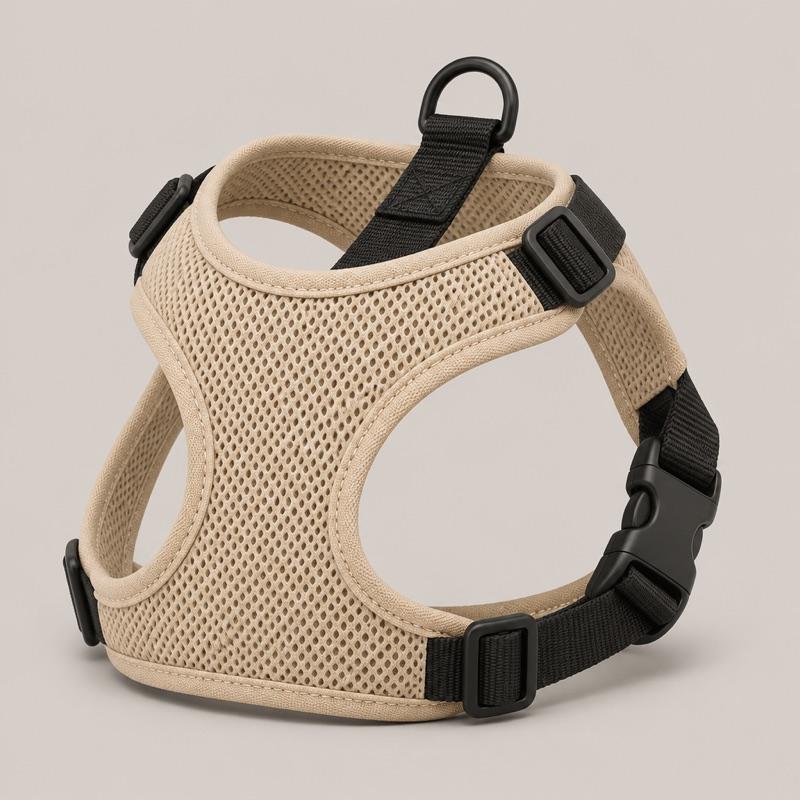
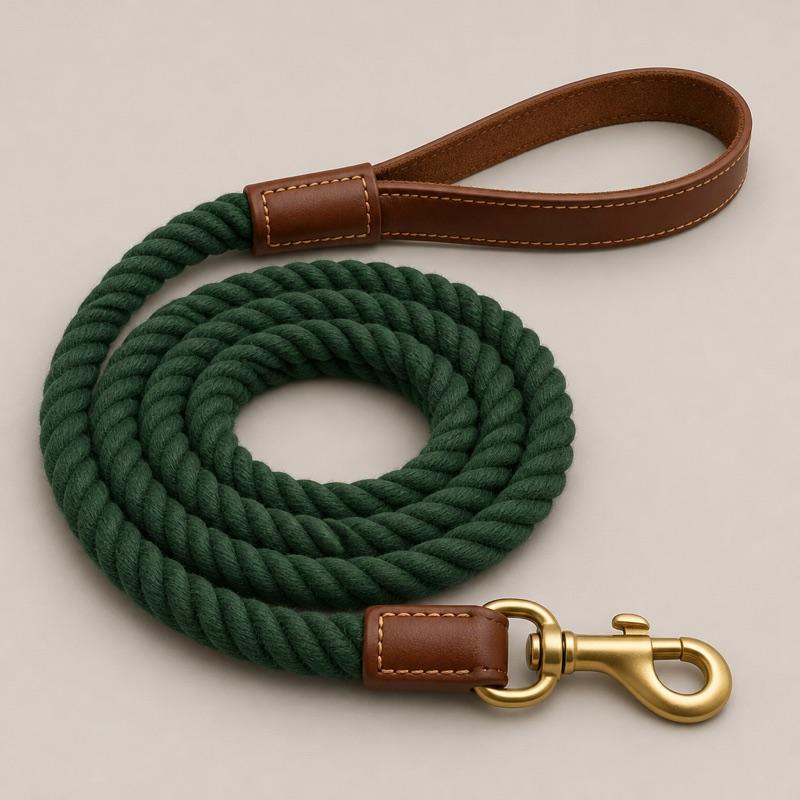


Example conversation on Trailhound:
- Shopper: Will the Ridge fit a 32kg lab? We're hiking on Sunday.
- Agent: Yes. The large fits chests from 76 to 96 cm, which suits most labs that size. Orders placed by 2pm on Saturday ship the same day. Shows product cards: Ridge No-Pull Harness, $54. Source: Size guide.
- Shopper: Large then, please.
- Agent: Done, the Ridge in large is in your cart. Here's your checkout link. Adds Ridge No-Pull Harness to the cart.
Key findings
- 77% of customers expect to deal with someone immediately when they contact a company. (Salesforce, State of the Connected Customer, 2023)
- For an ecommerce store with around $10M in sales, the median first human reply on its helpdesk is 6.3 hours, and 8.8 hours for apparel brands. (Gorgias Ecom Lab, first response times, March 2026)
- 46% of regular online shoppers have left a site they were ready to buy from because a question went unanswered, and 53% decided not to buy while waiting for a reply. (Gladly and Propeller Insights survey, July 2026)
- Roughly a quarter of orders are placed on weekends, and the busiest hour for orders is Sunday at 8pm. (Metorik, 65M+ WooCommerce orders, 2025)
- 56.4% of US holiday online sales in 2025 happened on a smartphone, rising to 66.5% on Christmas Day. (Adobe Analytics, 2025 holiday season)
Shoppers expect an answer in minutes
A question before buying is a buying signal. Will it fit, will it arrive by Saturday, can I return it. The shopper asking it wants to buy, and they want the answer now. In Salesforce's 2023 survey of more than 14,000 consumers and business buyers, 77% said they expect to deal with someone immediately when they contact a company. A 2025 InMoment survey of 1,200+ consumers put it in minutes: about 2 in 5 expect a reply within five minutes, and 7 in 10 within an hour.
Share of consumers, from two surveys.
- Expect to deal with someone immediately77%Salesforce, State of the Connected Customer, 2023
- Want a reply within an hour7 in 10InMoment survey via CX Dive, 2025
- Expect a reply within five minutes2 in 5InMoment survey via CX Dive, 2025
Most store inboxes reply in hours
Gorgias' helpdesk data from March 2026 puts the median first human reply at 6.3 hours for an ecommerce brand around $10M in sales, and 8.8 hours for apparel. That's the median, so half of stores are slower. When SuperOffice emailed 1,000 companies two simple questions (around 2018), the average reply took 12 hours 10 minutes and 62% never answered at all.
Most of that wait falls in the evening, overnight or at the weekend, when nobody is at the inbox.
Hours until the first reply. Bars are drawn to scale.
- What most shoppers want (InMoment)1 hourInMoment survey via CX Dive, 2025
- Median first reply, ecommerce helpdesks6.3 hoursGorgias Ecom Lab, first response times, March 2026
- Median first reply, apparel brands8.8 hoursGorgias Ecom Lab, first response times, March 2026
- Average email reply, 1,000 companies (about 2018)12h 10mSuperOffice, Customer Service Benchmark Report (about 2018)
The questions come when you're closed
Most orders still happen in the daytime, but a big share doesn't. Across 65M+ WooCommerce orders in 2025, Metorik found roughly a quarter on Saturday and Sunday, and the single busiest hour for orders was Sunday at 8pm. SureBright's 2026 analysis of 1M+ US orders put 19.2% of them between 6pm and 11pm and 6.4% between midnight and 5am.
Much of it happens on a phone. 56.4% of US online holiday sales in 2025 were on smartphones, and on Christmas Day, when most stores are shut, that rose to 66.5% (Adobe). Mobile drove 70% of orders during Cyber Week 2025 (Salesforce). A shopper on the train or the sofa isn't going to write an email and wait for Monday. In Google's 2015 research with Ipsos, 1 in 3 smartphone users had bought from a brand they didn't plan to, because it gave them the information they needed in the moment.
Pick a moment below and see when an inbox staffed Monday to Friday, 9 to 5, gets back to them.
Pick when a shopper asks, and how fast your inbox replies. The inbox is staffed Monday to Friday, 9am to 5pm.
- Shopper waits
- 2 days 19 hours
- Hours nobody is working
- 60 of 68
- With an agent on the site
- Seconds
Dark blocks are staffed hours, light blocks are evenings, nights and weekends.
Shoppers don't wait
In July 2026, Propeller Insights surveyed 1,022 US adults who shop online at least a few times a month, for Gladly. 46% had left a site they were ready to buy from because a question went unanswered, and 53% had decided not to buy while waiting for a reply. Gladly sells customer service software, so read it as a vendor survey, but its method is stated and it's the closest measure of this exact problem we found.
Baymard's average cart abandonment rate, across 50 studies, is 70.22%. Many of the reasons shoppers give are questions a quick answer settles before checkout: what shipping costs, when it arrives, whether the store can be trusted, what the returns policy is.
Share of US shoppers who abandoned a checkout, not counting those who were just browsing. They could pick more than one reason. These five are the ones a pre-purchase answer can address.
- Extra costs too high (shipping, tax, fees)40%Baymard Institute, cart abandonment rate
- Delivery was too slow20%Baymard Institute, cart abandonment rate
- Didn't trust the site with card details19%Baymard Institute, cart abandonment rate
- Returns policy wasn't good enough13%Baymard Institute, cart abandonment rate
- Couldn't see the total cost up front12%Baymard Institute, cart abandonment rate
A slow answer costs the next order too
In Zendesk's CX Trends 2023 research, 73% of customers said they would switch to a competitor after several bad experiences, and more than half after a single one. PwC's survey of 15,000 consumers found 32% would walk away from a brand they love after one bad experience, and 52% would pay more for speed and efficiency.
Share of consumers.
- Switch brands after several bad experiences73%Zendesk, CX Trends 2023
- Leave after one unsatisfactory interactionMore than halfZendesk, CX Trends 2023
- Would leave a brand they love after one bad experience32%PwC, Experience is Everything, 2018
What answered shoppers are worth
Shoppers who get help tend to buy bigger. In Gorgias' June 2026 data, orders its shopping assistant influenced averaged $181, against $123 for the same stores' other online orders. Gorgias is clear that this doesn't prove the chat caused the difference: shoppers who ask are already more likely to buy. Which is why they matter: the shoppers with questions are the ones closest to a bigger order, and they're the ones a slow inbox loses.
Work out what slow replies cost your store
Every input is yours to change. The defaults are examples, except the share who leave, which starts at the 46% from the Gladly survey.
- Shoppers with a question
- 1,000
- Asking when nobody is in
- 500
- Who leave instead of waiting
- 230
- Orders that would have followed
- 23.0
- Sales at risk
- $1,840
visitors × ask × outside hours × leave × conversion × order value
An estimate from your inputs, not a forecast. Set each slider to your own numbers from your analytics and inbox.
How Agentmatica answers while you're away
Agentmatica is the sales and support agent for stores that sell on their own website. It answers from your pages and your catalog, so the shopper on Friday night gets the size guide answer, sees the harness as a product card, and on Shopify or WooCommerce gets it added to the cart with a checkout link. When the answer comes from one of your pages, it links to it. When your content doesn't cover something, it says so and takes the shopper's email for you.
You stay in charge of how it answers. Private directives tell it what to say about stock, shipping or pairings, and you can take over a live chat and hand it back. The questions it gets, and the ones it couldn't answer, show up in Insights so you can fill the gaps.
Try it on your own store from the dashboard before it goes live. See pricing or how it sells.
Common questions
How fast should an online store reply to a customer question?
As close to immediately as you can. 77% of customers expect to deal with someone immediately when they contact a company (Salesforce, 2023), and in a 2025 InMoment survey about 2 in 5 expected a reply within five minutes and 7 in 10 within an hour. Email expectations are a little looser: in Toister Solutions' 2020 survey, a one-hour email reply met 88% of people's expectations.
What is the average response time for ecommerce customer service?
Gorgias' March 2026 platform data puts the median first human reply on ecommerce helpdesks at 6.3 hours for a store around $10M GMV, from 1.6 hours in the fastest vertical to 9.1 hours in the slowest. An older mystery-shopper study by SuperOffice (about 2018) found an average email reply time of 12 hours 10 minutes, and 62% of the 1,000 companies it emailed never answered.
How many shoppers leave if they can't get an answer?
In a July 2026 survey of 1,022 US adults who shop online at least a few times a month (Propeller Insights for Gladly), 46% said they had left a site they were ready to buy from because a question went unanswered, and 53% had decided not to buy while waiting for a reply. The often quoted figure of 53% or 55% attributed to Forrester traces back to a 2009 report that said 57%.
Do people really shop at night and on weekends?
Some, though not most. Across 65M+ WooCommerce orders in 2025, Metorik found roughly a quarter of orders on Saturday and Sunday, with the single busiest hour on Sunday at 8pm. SureBright's 2026 analysis of 1M+ US orders put 19.2% of orders between 6pm and 11pm and 6.4% between midnight and 5am, with midday the busiest. Those are hours a Monday to Friday, 9 to 5 inbox isn't covering.
How do I estimate the sales my store loses to slow replies?
Multiply monthly visitors by the share who have a question before buying, the share of those questions that arrive when nobody is in, the share who leave rather than wait, the conversion rate of shoppers who get an answer, and your average order value. The calculator on this page does it with your own numbers.
Do shoppers who chat spend more?
They often do, but that doesn't prove the chat caused it. Gorgias' June 2026 data shows orders its shopping assistant influenced averaged $181 against $123 for the same stores' other online orders, and Gorgias says itself this is associative: higher-intent shoppers choose to chat. Treat chat order value as a sign of where buying intent is, then measure your own store.
Sources and method
We opened every source below and checked each figure against it on 2026-11-19. Vendor studies (Gladly, Gorgias, Metorik, SureBright) and older studies (SuperOffice, Google 2015) are named as such where they're used. We left out figures we couldn't trace to their original study, including the widely shared "53% abandon without a quick answer" (the Forrester report behind it, from 2009, says 57%) and the claim that most online shopping happens at night, which recent order data doesn't support.
- Salesforce, State of the Connected Customer, 2023
- InMoment survey via CX Dive, 2025
- Toister Solutions, email response time survey, 2020
- Gorgias Ecom Lab, first response times, March 2026
- SuperOffice, Customer Service Benchmark Report (about 2018)
- Gladly and Propeller Insights survey, July 2026
- Baymard Institute, cart abandonment rate
- Metorik, 65M+ WooCommerce orders, 2025
- SureBright, 1M+ US orders by hour, 2026
- Adobe Analytics, 2025 holiday season
- Salesforce Shopping Index, Cyber Week 2025
- PwC, Experience is Everything, 2018
- Zendesk, CX Trends 2023
- Gorgias Ecom Lab, AI shopping assistant data, June 2026
- Google and Ipsos, micro-moments study, 2015
Answer the Friday night shopper
Add your store, try the answers in your dashboard, and switch it on when you’re happy. Free plan, no card required.